



When Faulty Machinery Causes a Serious Workplace Injury in Ohio
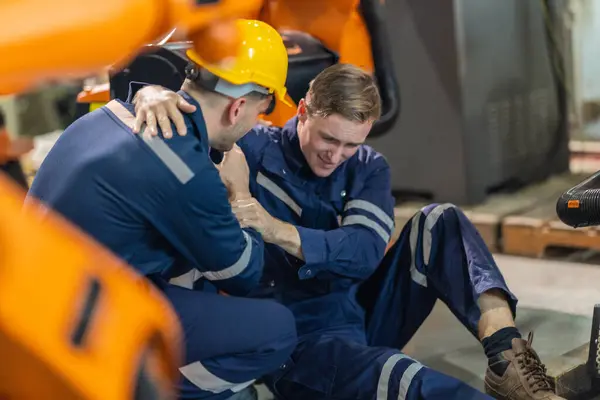
A machine malfunctions during a routine shift. Within seconds, a worker suffers a crushing injury, severe laceration, or amputation.
In the aftermath, the immediate concerns are medical treatment, lost income, and whether the injured worker will be able to return to work.
But another question may become important:
What if the machinery itself was defective?
For employees injured in Cleveland manufacturing facilities, warehouses, and other Ohio workplaces, the answer may involve different legal paths.
Path One: Workers’ Compensation After a Machinery Accident
Ohio’s workers’ compensation system generally provides benefits for qualifying work-related injuries without requiring workers to establish that their employer was negligent.
Depending on the circumstances, available benefits may include medical treatment, compensation for lost wages, and disability-related benefits.
For example, an employee injured while operating production machinery may be eligible for workers’ compensation even if no one intentionally caused the accident.
However, workers’ compensation ordinarily limits an employee’s ability to bring a negligence lawsuit against a complying employer.
This distinction becomes important when a worker believes unsafe equipment contributed to the injury.
Path Two: When a Defective Machine May Support Another Claim
Workers’ compensation does not necessarily resolve every legal issue arising from an industrial accident.
If a machine was defective, an injured worker may have grounds to investigate a separate product liability claim against a legally responsible manufacturer or other qualifying party.
Ohio product liability law recognizes several potential forms of product defects, including:
Manufacturing defects: The particular machine or component was improperly manufactured.
Design defects: The product’s design allegedly created an unreasonable safety risk under applicable legal standards.
Inadequate warnings or instructions: The manufacturer failed to provide legally sufficient information about a relevant danger.
These allegations require supporting evidence. A malfunction alone does not establish that a product was legally defective.
How Do Investigators Determine What Went Wrong?
Consider a worker whose hand becomes trapped in industrial equipment.
The investigation may examine whether a mechanical component failed, a safety guard was missing, or the equipment was improperly operated or maintained.
Relevant evidence might include:
- Machine inspection and maintenance records
- Manufacturer instructions and safety documentation
- Photographs of the equipment
- Witness accounts
- Workplace incident reports
- Prior repair or malfunction records
- The damaged machine or component itself
Preserving the equipment in its post-accident condition, when feasible and safe, may be important for determining the cause.
Can Both Legal Paths Apply?
In some circumstances, an injured Ohio worker may have a workers’ compensation claim and a separate claim involving a responsible third party.
However, these claims involve different legal requirements. Any potential overlap in benefits or recovery must also be evaluated.
Not every machinery injury supports a product liability action, and the existence of a workplace accident does not automatically establish third-party negligence.
Serious Machinery Injuries Can Have Lasting Consequences
Industrial equipment accidents may result in permanent disability, chronic pain, reduced mobility, or loss of earning capacity.
These consequences can affect an injured worker and their family long after the initial hospitalization.
The Skolnick Weiser Law Firm, LLC assists injured Ohio workers with workers’ compensation and serious workplace injury matters.
Injured by machinery at work in Cleveland or elsewhere in Ohio? Contact The Skolnick Weiser Law Firm at 216-861-8888 for a free consultation to discuss your rights and potential legal options.